How to Start an Airbnb Business with No Money 2026 Guide

Amazon affiliate link info: This post may contain affiliate links. Making a purchase with an affiliate link does not cost you any more, but I may receive a small commission to help keep this site running. Learn more here.
When I first got into Airbnb hosting, I didn't have a pile of cash sitting around to invest. I started with a spare guest room, figured out what worked, and eventually built my way to owning Kona Landing, a two-bedroom beachfront condo on the Big Island of Hawaii. What I learned along the way is that the money question is almost never the real barrier. The real barrier is knowing which strategy fits your situation.
Whether you want to host a spare room, manage someone else's property, or build a full short term rental portfolio without buying anything, there is a path for you. This guide covers all of them.
5 Ways to Start an Airbnb Business with No Money
1. Rent Out a Spare Room in Your Home
This is exactly how I started, and it is still the lowest risk, fastest way to get your first Airbnb listing live. You already have the space. The startup costs are minimal, and you can test hosting without committing to anything big.
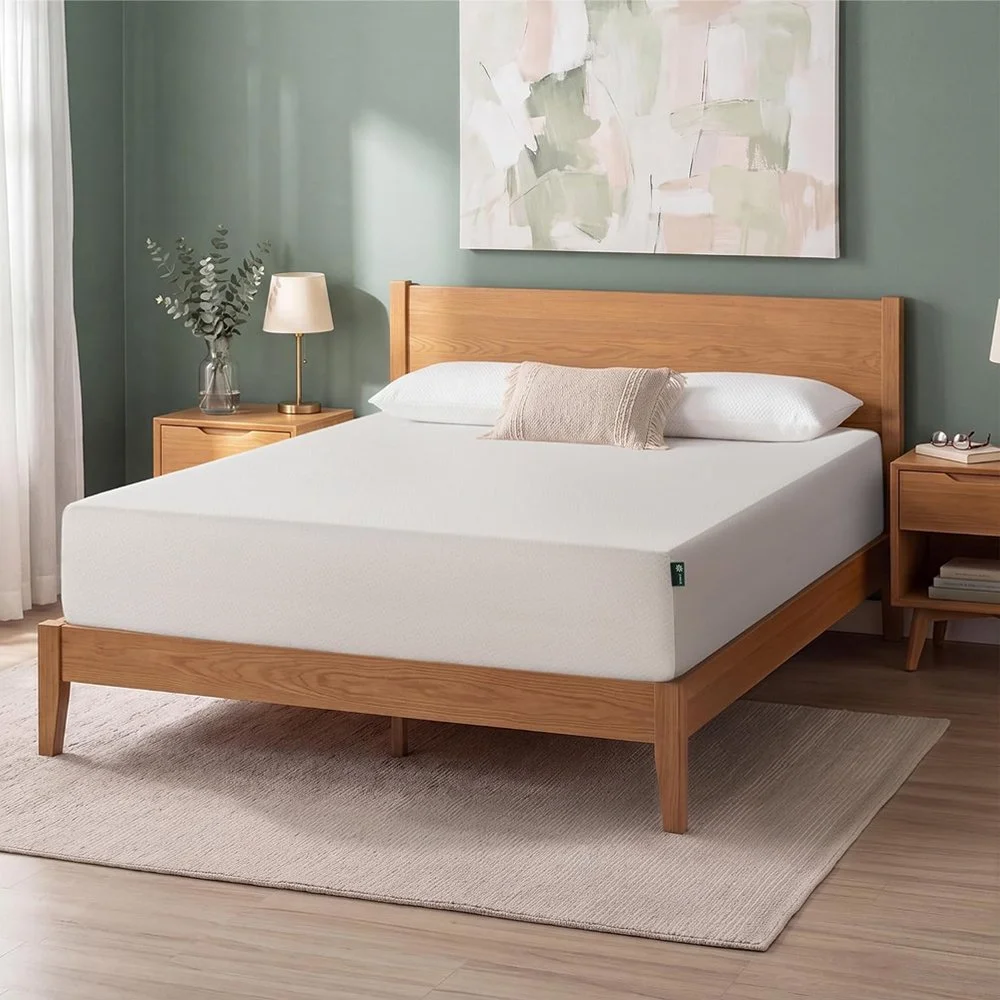
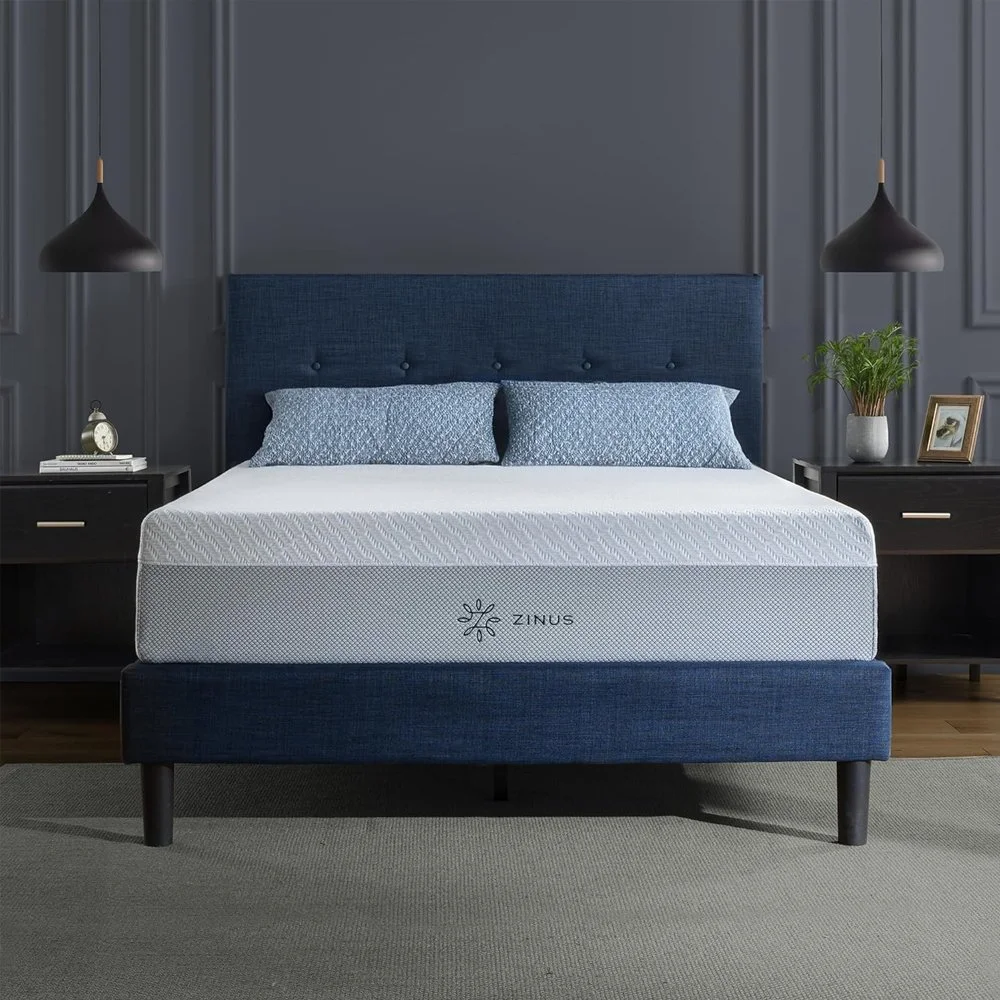
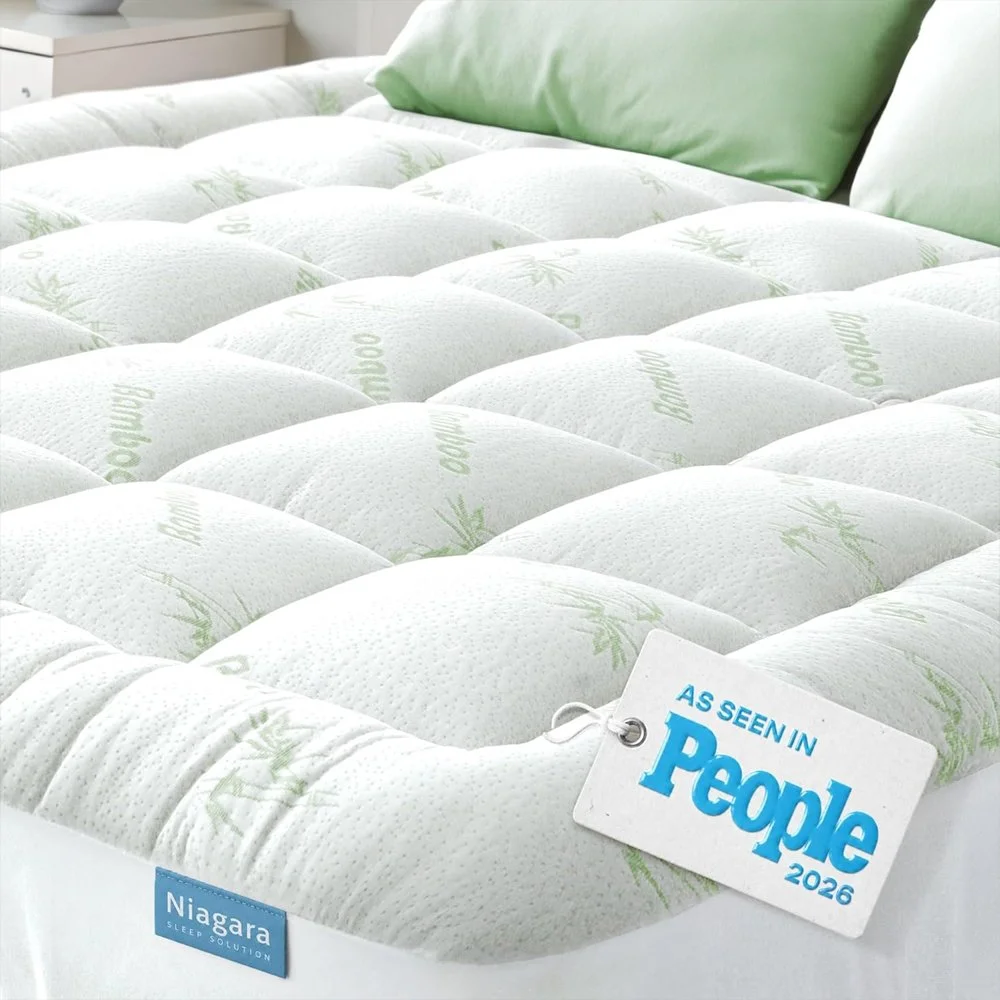
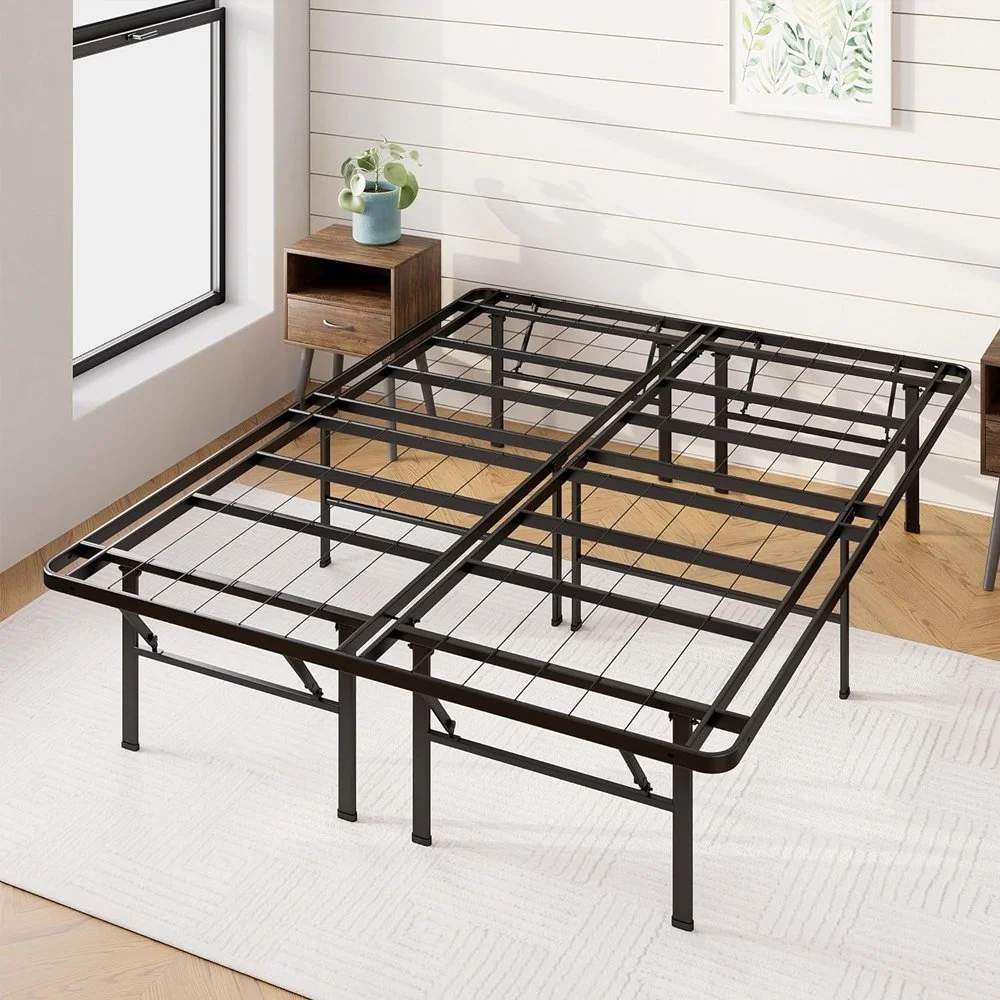
The two things I actually spent money on when I started were a quality mattress and good pillows. That came out to around $300. Everything else was stuff I already owned.
Everything you need for a guest-ready bed
Read Alisha's full guide: The Ultimate Guide to the Perfect Airbnb Bed
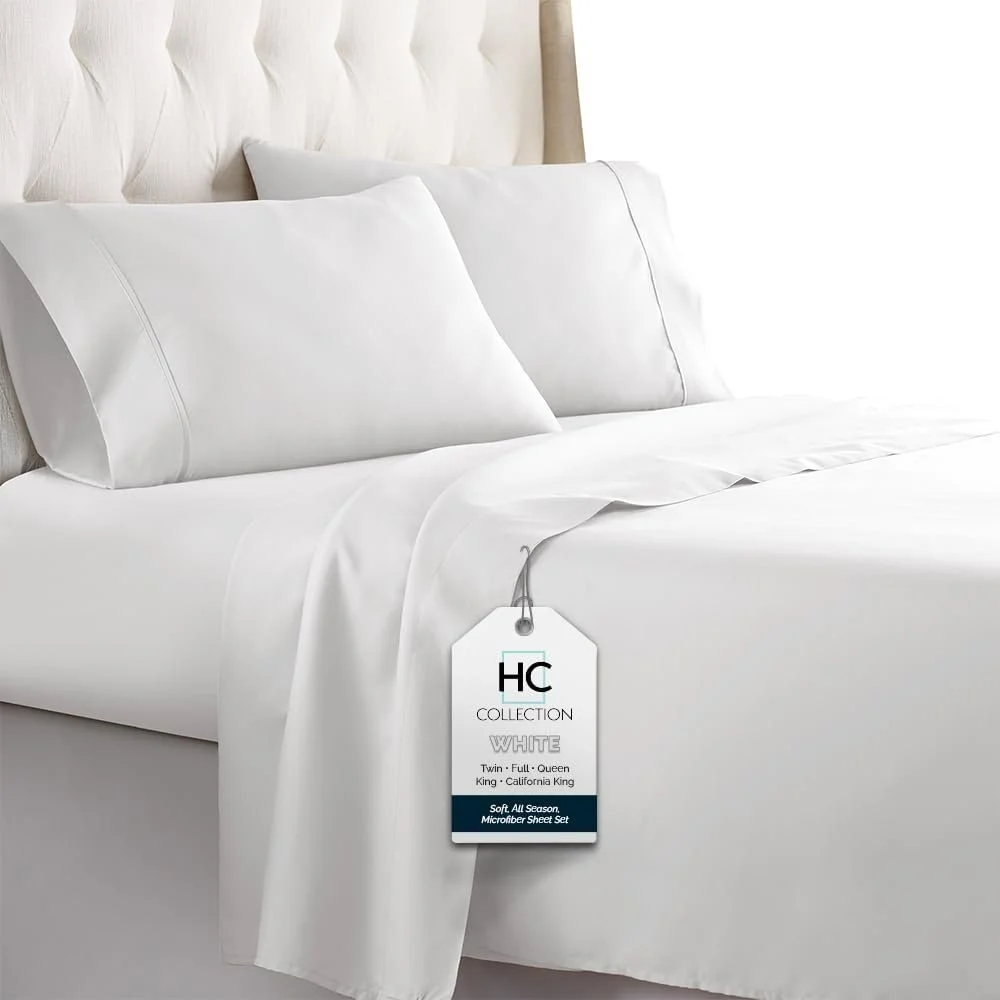
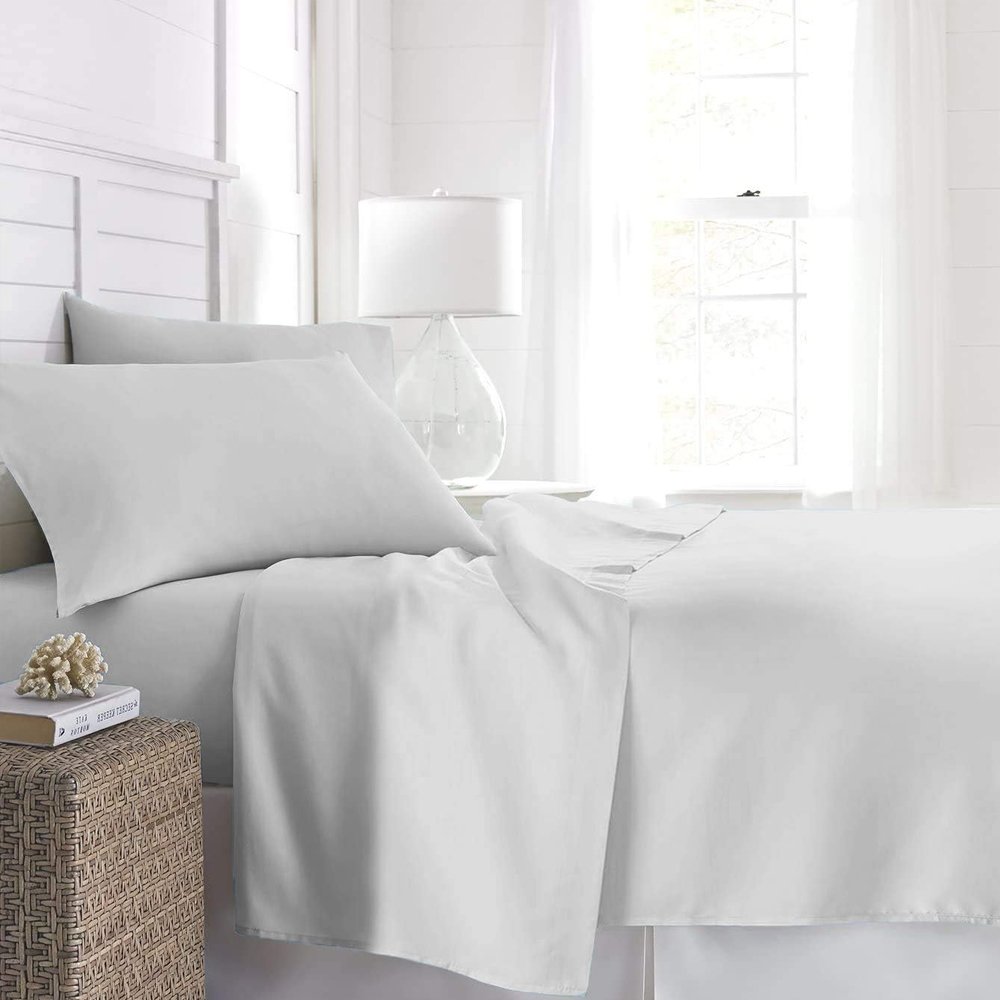

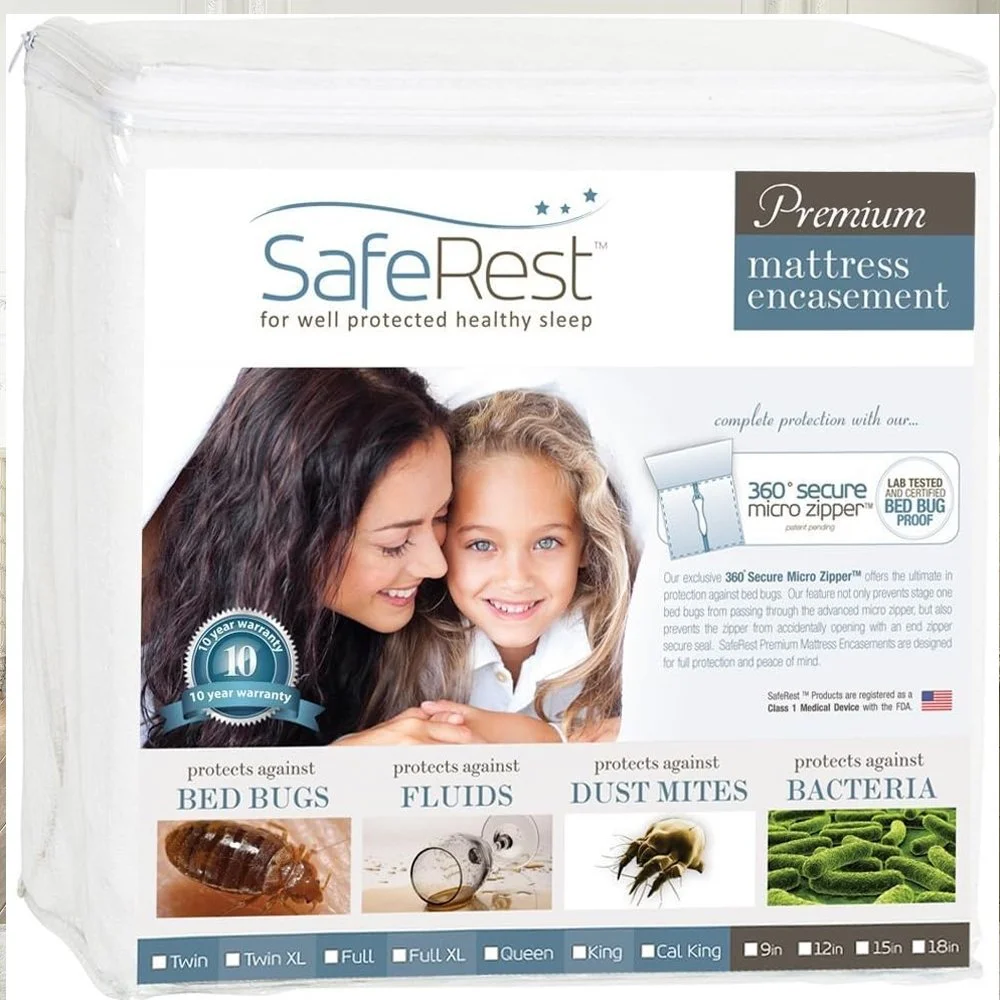
What to focus on from day one:
Photography. Your listing lives or dies by its photos. Natural light, a tidy space, and a few styled details go a long way.
Pricing. Start slightly below comparable listings in your area to build reviews fast, then adjust up. Here is a full breakdown on how to price your Airbnb.
Guest experience. Five-star reviews are everything in your first few months. Read up on Airbnb guest messages that get you 5-star reviews and set up a welcome book so guests have everything they need without texting you.
Once you have a few stays under your belt, you will know whether you want to scale or keep it simple.
2. Rental Arbitrage
Rental arbitrage is the strategy that gets the most people into short term rentals without owning anything. Here is how it works: you sign a standard lease on an apartment or house, get written permission from your landlord to sublet it on Airbnb, and then list it as a short term rental. The difference between what you charge guests and what you pay in rent is your margin.
Done right, hosts regularly net $500 to $2,000 per month per property after rent and expenses.
How to pitch a landlord on this:
Most landlords say no at first because they picture strangers trashing their property. Your job is to flip that framing. Lead with:
You will handle all maintenance requests and keep the property in better condition than a long term tenant
You will carry short term rental insurance (Airbnb's AirCover is included, and you can add a separate policy)
You can offer them a slightly above-market rent in exchange for the flexibility
Some landlords will still say no. Keep going. It usually takes 5 to 10 conversations to land one. For a detailed playbook on this, read how to convince property owners to partner with you on a short term rental.
One thing to check first: local short term rental regulations vary a lot by city. Before you sign anything, make sure your area allows rental arbitrage. Here is a guide to short term rental regulations for Airbnb hosts.
3. Partner with a Property Owner
This model is similar to arbitrage but works differently. Instead of leasing a property yourself, you approach a property owner who has a space sitting empty or underperforming as a long term rental, and you offer to manage it as an Airbnb in exchange for a percentage of the revenue.
The owner gets passive income without doing any of the work. You get access to a property without paying rent or a mortgage.
Typical splits run anywhere from 20/80 to 40/60 in the host's favor, depending on how much you are doing and how desirable the property is.
This is a great path if you have the hospitality skills but not the capital. You are essentially building a property management business from scratch.
4. Raise Investor Capital
If you want to move fast and own or control multiple properties, investor capital is how most people do it. This means finding someone who has money but not time, and presenting them with a business plan that shows them exactly how they will get a return.
What investors want to see:
Comparable listings in the market and what they earn
Your projected occupancy rate and nightly rate
A clear breakdown of startup costs and monthly expenses
How and when they get paid back
You do not need to know every investor in the world. Start with people in your own network: family, friends, colleagues who have excess savings and are looking for better returns than a savings account. One solid 20-minute pitch deck has launched many Airbnb businesses.
5. Co-Hosting for Other Airbnb Owners
Co-hosting is often the most overlooked entry point into the short term rental world. Existing Airbnb hosts frequently need help managing their listings, coordinating cleaners, handling guest messages, and keeping things running smoothly. You step in as a co-host and take a percentage of their earnings, usually 10 to 20 percent, for managing the day to day.
This is not passive income, but it is an incredible way to learn the business, build a reputation, and get paid while you figure out your long term strategy. Many successful hosts started here before launching their own listings.
Search Airbnb's co-hosting marketplace or post in local host Facebook groups to find opportunities.
What You Actually Need to Launch (Even With Zero Capital)
Let's get specific. Here is what you need regardless of which strategy you choose:
A phone and a Squarespace or Canva account to put together a basic pitch or listing.
Airbnb's free tools — their host dashboard, pricing tools, and AirCover insurance are all included at no cost.
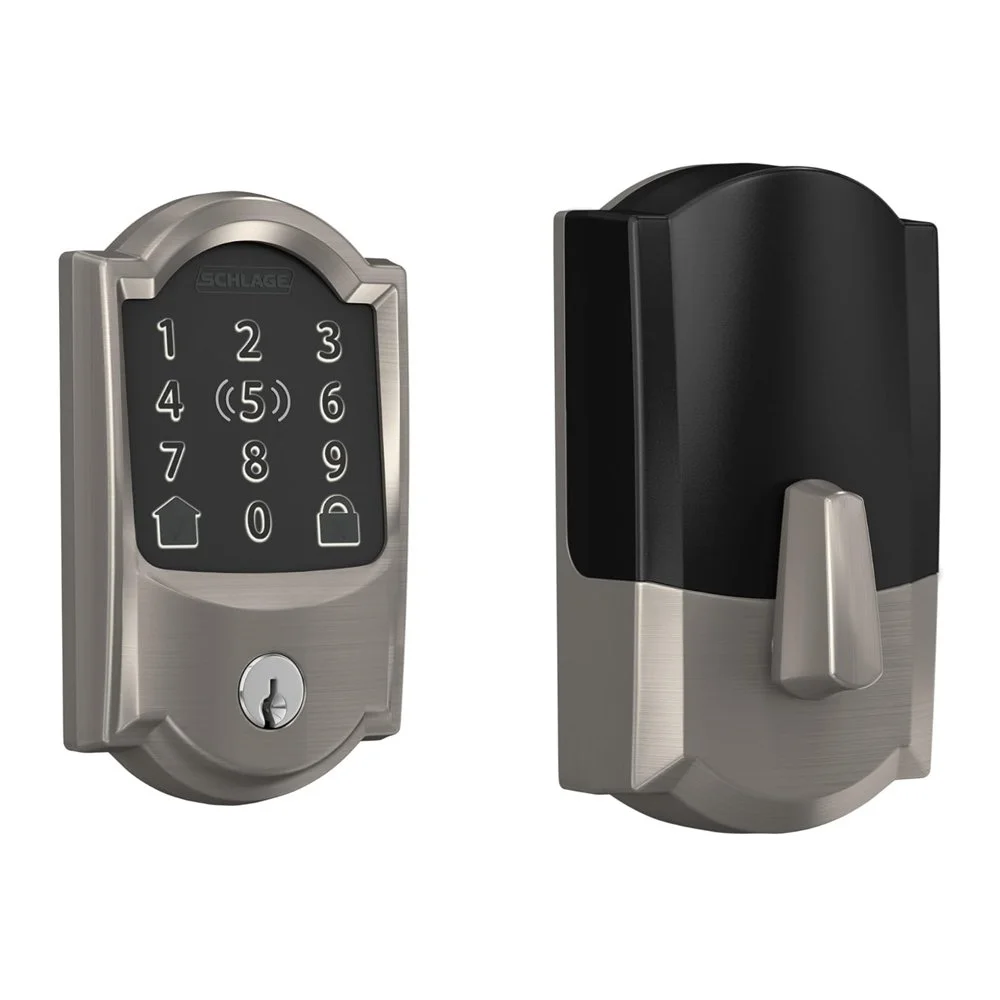
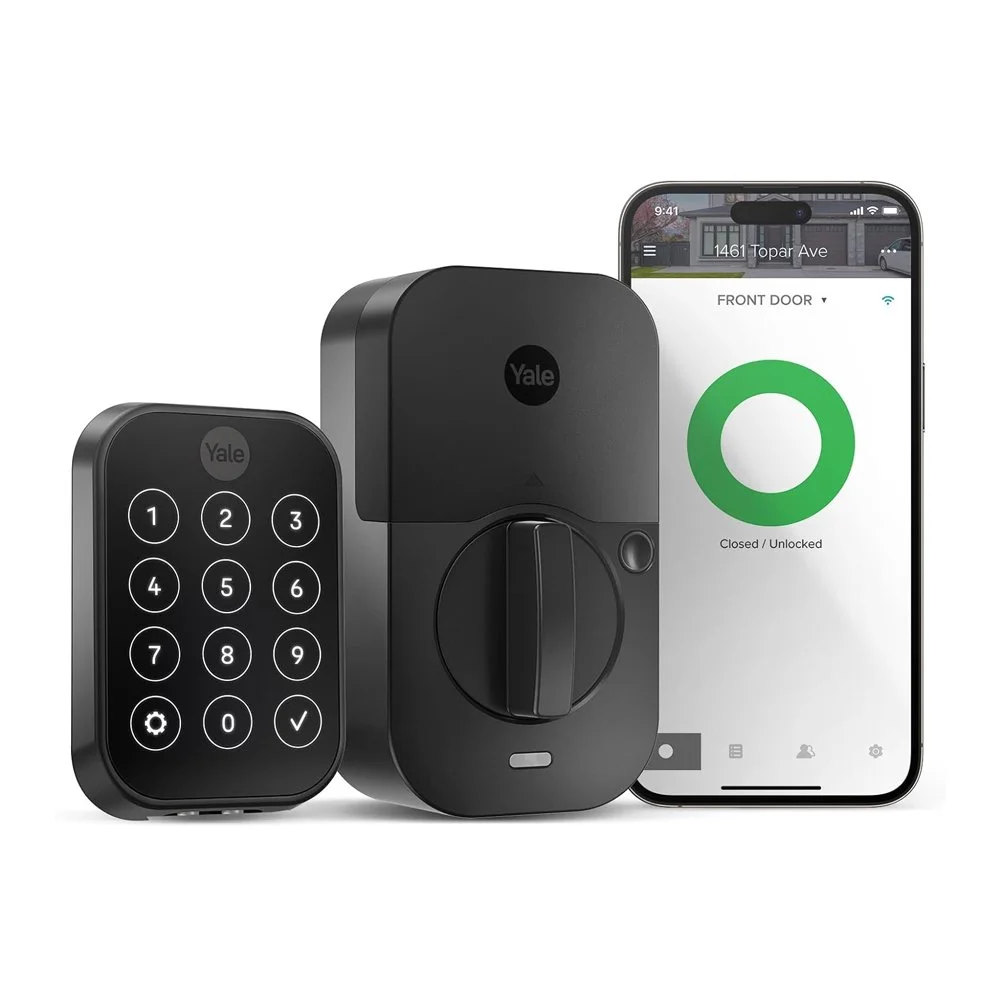
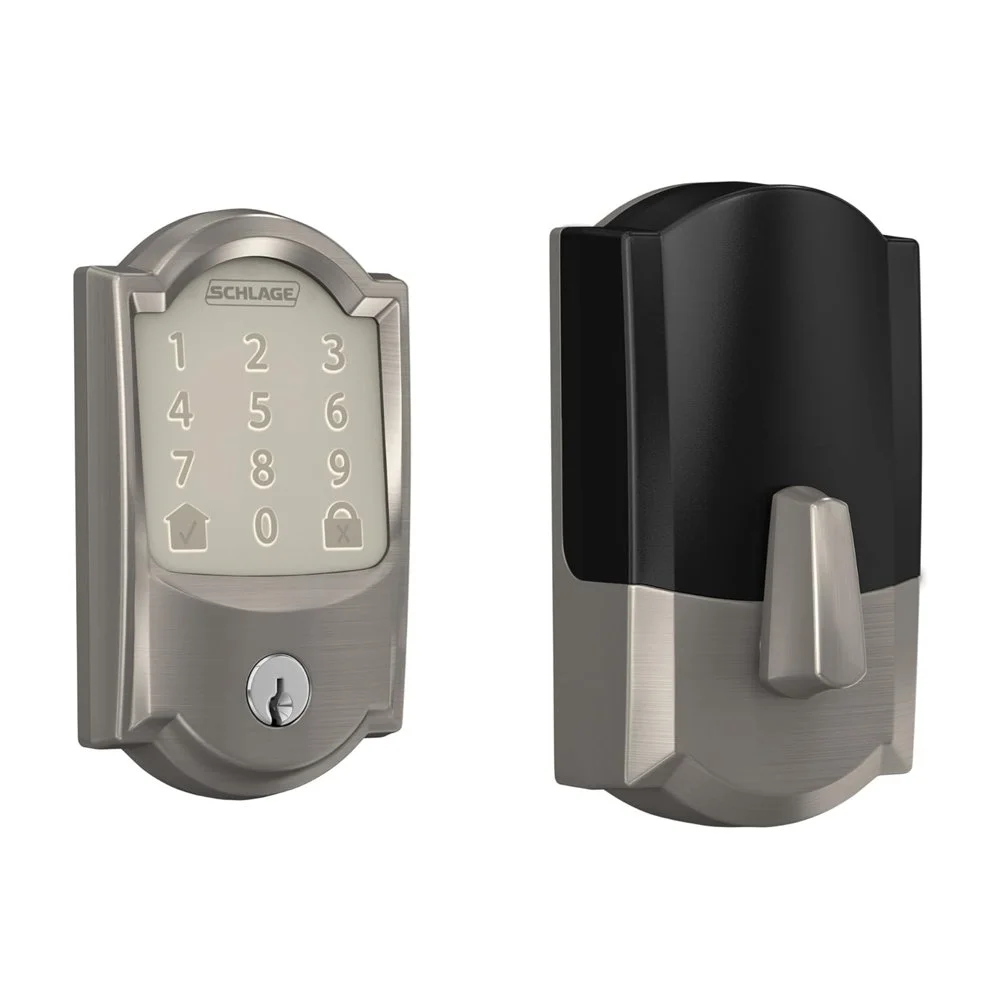
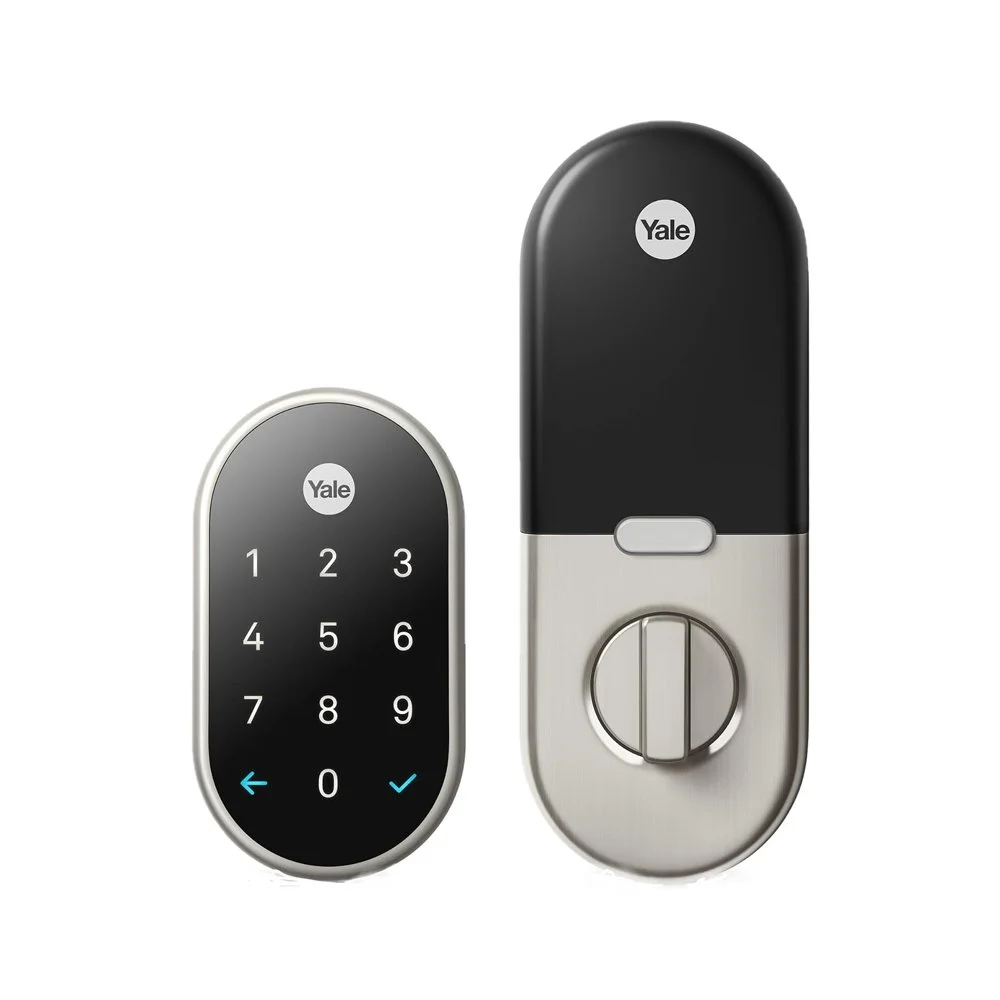
A smart lock. This is the one investment I always recommend making early. Keypad entry removes a massive operational headache and guests love it. Here are some smart lock options that work well for Airbnb hosts:
Top-rated smart locks for Airbnb hosts
Professional signage. Clear, branded signs inside your space reduce guest questions dramatically and make your listing feel polished. I put together an Airbnb host signage bundle on Etsy that covers everything from wifi info to house rules.

Knowledge. Honestly this is the most important investment. The hosts who succeed fast are the ones who read everything they can before they launch. A few books I recommend:
How to Save Money Getting Your First Guests
One trick that can actually cut your launch costs: book a stay at a highly rated Airbnb in your market before you go live. You will learn what a great guest experience looks like from the inside, and you can use Airbnb coupon codes and promo deals to reduce what you spend on that research trip.
Set Your Listing Up to Win from Day One
Once you choose your strategy, execution is everything. A few things that separate hosts who get booked from those who sit empty:
The bed. Guests care about sleep more than almost anything else. Here is my full breakdown on the perfect Airbnb bed setup including mattress and pillow recommendations.
The kitchen. A well-stocked kitchen is a huge differentiator, especially for longer stays. See how to set up an Airbnb kitchen and what Airbnb superhosts keep in their kitchens.
Interior design. You do not need to hire a designer. A few intentional choices make a huge difference. Read about interior design for short term rentals that actually increases bookings.
Guest communication. Set up automated messages for check-in instructions, a mid-stay check-in, and a checkout reminder. Here is a guide to communicating with Airbnb guests through printed signs to reduce the back and forth even further.
Insurance. Yes, you need it. Read up on whether you need Airbnb insurance before your first guest checks in.
Frequently Asked Questions
-
Yes. You don’t need to own property or have large savings to start an Airbnb. You can rent out a spare room, sublease with your landlord’s permission (rental arbitrage), co-host for other owners, or partner with a property owner, all of which take little to no upfront capital.
-
No. Rental arbitrage, property partnerships, and co-hosting are all models built specifically for people who do not own property. Thousands of hosts operate successful Airbnb businesses this way.
-
It depends on your market and strategy, but rental arbitrage hosts in mid-tier markets commonly net $500 to $2,000 per month per property after rent and expenses. Hosts in high-demand markets can earn significantly more.
-
List a spare room in your home. You can have a live listing within 24 hours, and you will start getting inquiries faster than any other method.
-
Look for landlords with multiple properties (they tend to be more business-minded), be upfront about your plan, and come prepared with data on comparable earnings. Read the full guide to convincing property owners to partner with you.
-
A smart lock and quality bedding are the two highest-impact purchases for new hosts. Both directly affect your reviews. Here are some of my top picks: Secret Weapons for Your Airbnb on Amazon
-
Sometimes — through options like seller financing, partnering with an investor who provides the capital, or tapping existing home equity with a HELOC or cash-out refinance. These carry more risk and stricter qualification than the strategies above. If you’re truly starting from zero, begin with rental arbitrage or co-hosting to build income and experience first, then move into ownership.