What to Do When a Guest’s Dog Damages Your Rental
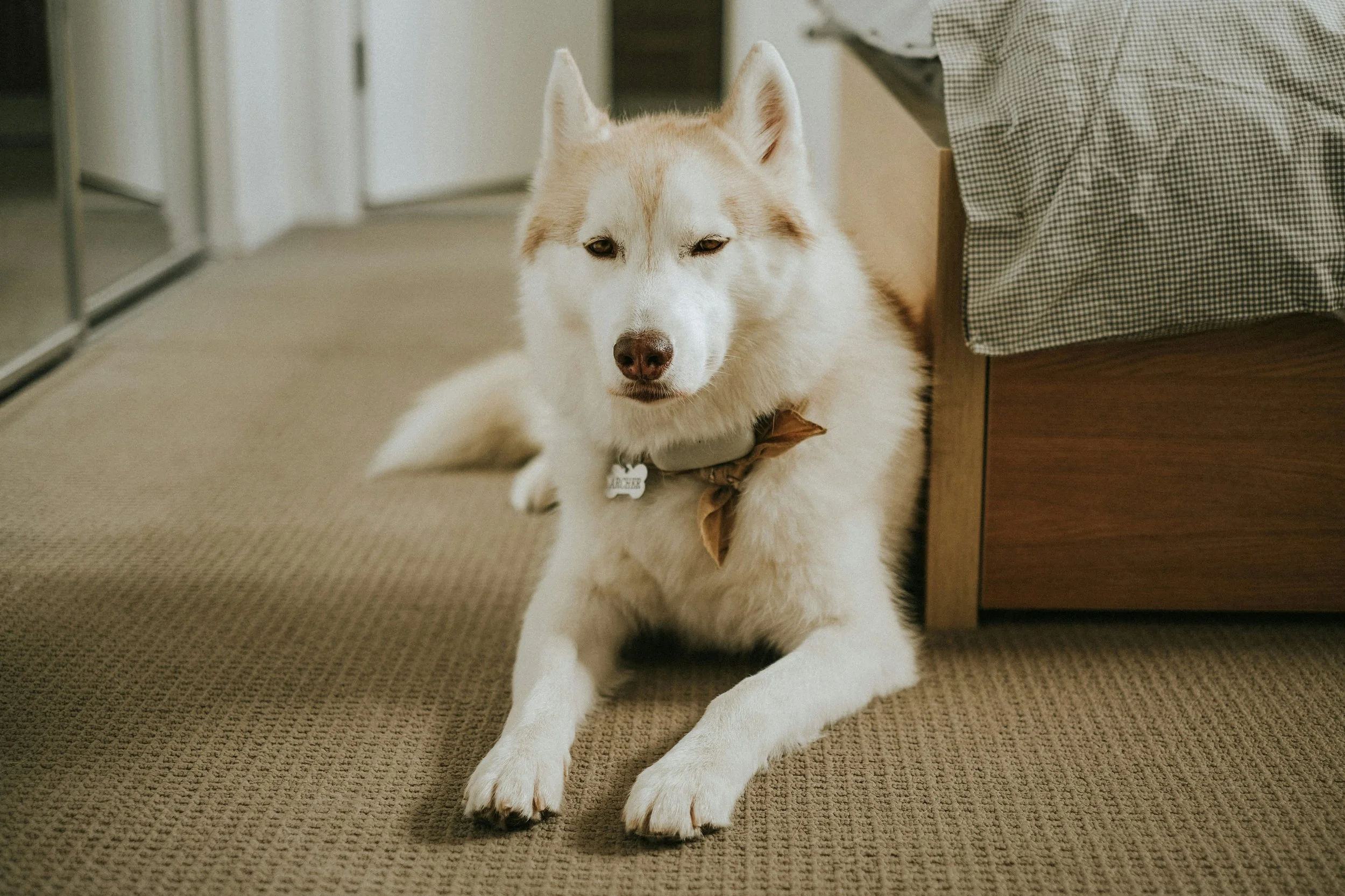
f you allow pets in your short-term rental, sooner or later you'll get "the email." A cleaner texting photos of a stain under the bed. A guest casually mentioning their dog had "a little accident." This happened to a host in one of the big Airbnb host Facebook groups recently: a returning family brought two dogs, the stay seemed fine, and then the cleaner found urine soaked into the carpet, feces tucked under a bed, and had to charge extra just to get the unit guest-ready again. Fifty-plus hosts weighed in on what she should do next, and the answers were all over the map.
If you haven't seen it yet, check out our pet-friendly Airbnb policy guide first. It covers the pros, cons, and recommended pet fees and rules. This post picks up where that one leaves off: what to actually do when a pet-friendly stay goes wrong.
Document Everything Before You Clean Anything
Photos and videos, timestamped, before your cleaner touches a thing. This is the single biggest regret I hear from hosts. They clean first and try to remember the damage later. If you're charging a guest through Airbnb's Resolution Center or Aircover, you need visual proof, not just your cleaner's word.
Know the Difference Between Wear and Damage
Some shedding and a muddy paw print by the door is the cost of doing pet-friendly business, that's what your pet fee is for. Urine soaked into carpet padding, chewed furniture, or waste left behind is damage, and it belongs in a separate claim, above and beyond your standard cleaning fee.
Know the Do's and Don'ts on Service and Support Animals
Here's the part that catches new hosts off guard: even if your listing says no pets, you likely still have to accommodate a service animal, and in many cases an emotional support animal too. Airbnb's own assistance animal policy requires hosts to make an exception to a no-pets rule for these animals. Guests are not required to disclose an assistance animal in advance, and they are not required to provide documentation, certification, or proof, so you cannot demand paperwork before agreeing to host them.
For a service animal specifically, you're allowed to ask only two things: whether the animal is required because of a disability, and what task it's trained to perform. You cannot ask about the nature of the disability itself.
This matters because Airbnb and other platforms treat violations of this policy seriously. Hosts who wrongly turn away a legitimate assistance animal, or who charge a pet fee for one, can face account penalties, forced cancellations, or suspension, even if the host genuinely didn't know the rules. If you suspect a guest is misrepresenting a pet as an assistance animal to dodge your fees, document your communications and go through Airbnb support rather than confronting or denying the guest yourself.
I'm not an attorney, so if this is a recurring issue for your property, it's worth a quick read of Airbnb's official assistance animal policy and a conversation with a lawyer familiar with your local laws.
Loop Your Cleaner in on the Real Cost
If your cleaner had to bring in an upholstery cleaner or spend an extra hour, that's a real, billable cost. Build a habit of asking your cleaner to note and photograph anything beyond a standard turnover so you have a paper trail every time, not just when something goes wrong.
Decide on a Three-Strikes Approach Before You Need One
Rather than reactively banning all pets after one bad incident, consider a policy: first incident gets a documented warning and a charge for actual damages, a second gets a non-refundable increase to their pet fee for any future stay, and a third means no more pets for that guest.
Revisit Your Pet Deposit and Nightly Fee
Our pet-friendly Airbnb policy guide recommends $25 to $125 per pet per night depending on your market. If you're getting hit with above-average damage, it might be time to move toward the top of that range, or add a refundable damage deposit specifically for pet stays.
Restock Your Cleanup Kit
The products that make these situations survivable are worth having on hand before you need them: an odor eliminator, a dedicated stain remover, and a solid pet hair vacuum. If pet stays are becoming a regular part of your business, it's worth building out a proper laundry system so your cleaner isn't improvising every time.
Know When to Just Say No
If a guest's pet causes repeated damage or you spot a pattern of dishonesty about pets in general, you're allowed to stop accepting that guest going forward. Even with a legitimate service or support animal, you can still enforce behavior standards, an animal that is aggressive, not housebroken, or out of control is not automatically protected just because it's an assistance animal. The goal isn't to punish every guest who travels with a dog. It's to protect your property and your other guests while staying compliant with the platforms you rely on.
None of this has to make pet-friendly hosting more trouble than it's worth. Handled well, pets can be a solid revenue line rather than a liability, and the extra fee income adds up fast when you're figuring out how to start an Airbnb business with no money. A clear policy, a documented process, and a stocked cleanup kit turn "the email" from a crisis into a routine Tuesday.